North County Superintendent Network
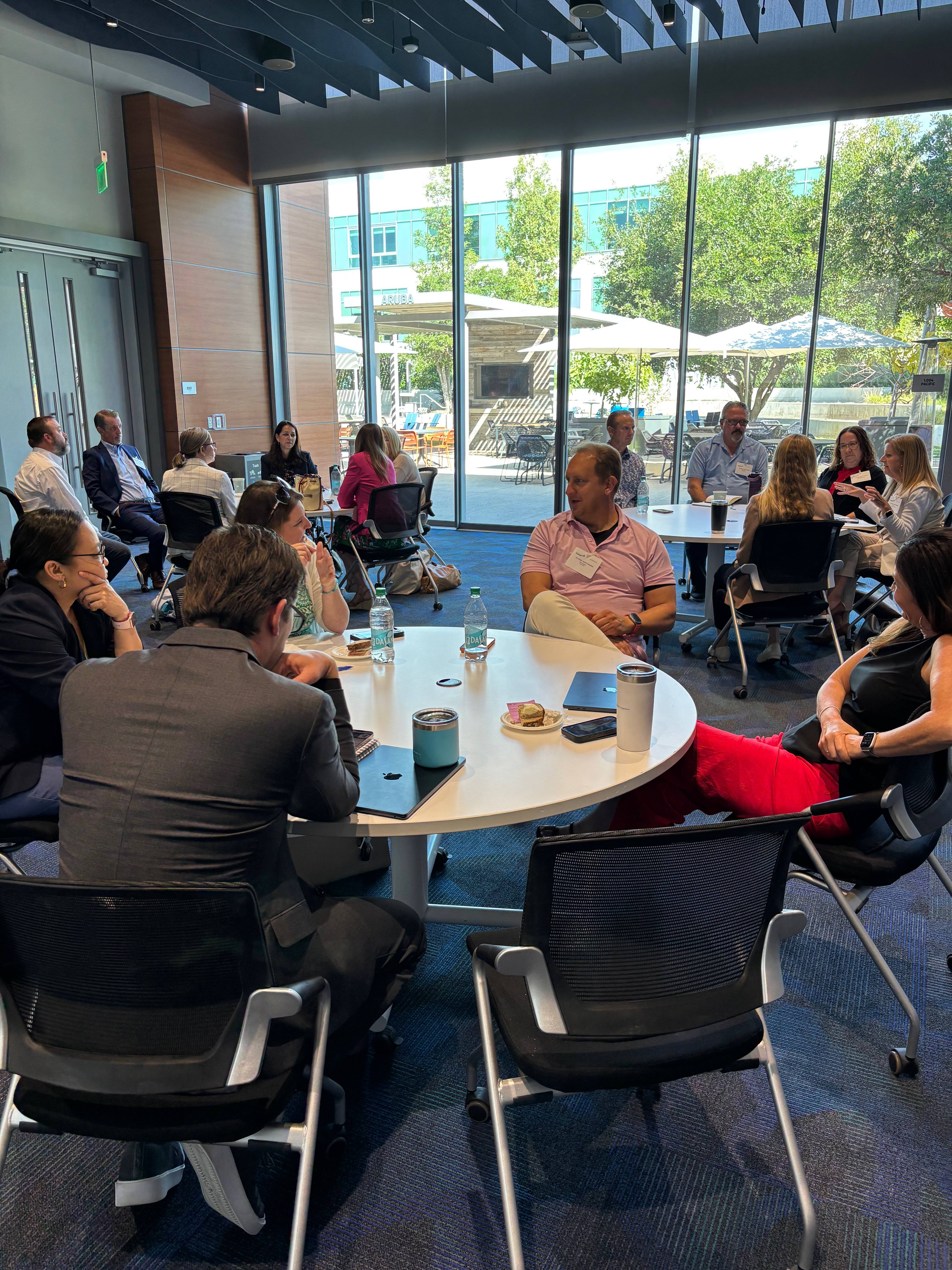
North County Superintendent Network at Viasat, May 20, 2026
Guiding Questions for the Visit
Understanding Future-Ready Skills
How might this industry visit deepen our understanding of the knowledge, skills, mindsets, and dispositions young people need to thrive now and in the future?
Translating Organizational Design
How might we learn from the ways projects, teams, and workflows are organized in industry settings to inform how we structure organizations within education?
Design Philosophy
"Are you designing systems for people to comply with your policies or to learn, create, and innovate?" – Katie Martin, Learner-Centered Innovation
Industry Visit Learning Themes
Industry Innovation & Organizational Design
Organizational SystemsUnderstanding how companies like Viasat structure teams, workflows, and projects to foster collaboration, problem-solving, and innovation.
Exploration Areas:
- •Talent development and growth systems within industry settings
- •Formal and informal organizational structures
- •Collaboration and communication workflows
- •Innovation culture and experimentation mindsets
21st Century Skills & Dispositions
Workforce ReadinessIdentifying the knowledge, skills, mindsets, and dispositions young people need to thrive in rapidly evolving industries and workplaces.
Exploration Areas:
- •Problem-solving in complex, ambiguous environments
- •Cross-functional collaboration and teamwork
- •Adaptability and continuous learning
- •Systems thinking and technical literacy
- •Communication and relationship building
Purpose-Driven Work Design
Design PrinciplesExamining how organizational design and work structure either constrain compliance or enable learning, creation, and innovation.
Exploration Areas:
- •Systems designed for learning and innovation vs. compliance
- •Evidence of collaboration, problem-solving, and engagement
- •Role clarity and distributed accountability
- •Connection between individual work and organizational purpose
Translating Industry Practices to Education
ImplementationReflection on how educational organizations can adopt industry insights to better support student and educator growth.
Exploration Areas:
- •Coherent systems with aligned commitment and accountability
- •Talent development and growth ecosystems
- •Partnership and collaboration frameworks
- •Creating environments where educators learn, create, and innovate
Leading for Systemic Evolution
LeadershipStrategies for educational leaders to examine formal and informal structures and create conditions for systemic transformation.
Exploration Areas:
- •Assessment of talent development and growth systems
- •Identifying bright spots and areas for alignment
- •Collaborative problem-solving with peers
- •Building shared vision across formal and informal structures
Observation Mindsets
Approaching the Viasat visit with appreciation and curiosity:
- Respect the complexity of the systems and structures we're observing
- Appreciate what we don't know—avoid jumping to conclusions
- Lead with appreciations and observations of strengths
- Stay curious about collaboration, problem-solving, innovation, and purpose in both environment and work
Meeting Agenda
Closing Reflection
"Invite everyone who cares to work on what's possible."
– Margaret Wheatley
As the North County Superintendent Network concludes the 2025-26 school year, the Viasat industry visit invites leaders to reflect on how to translate organizational innovation into educational transformation. The year's focus on scaling whole-learner assessment and local accountability models demonstrates a shared commitment to learner-centered evolution across our districts.