Escondido Union School District
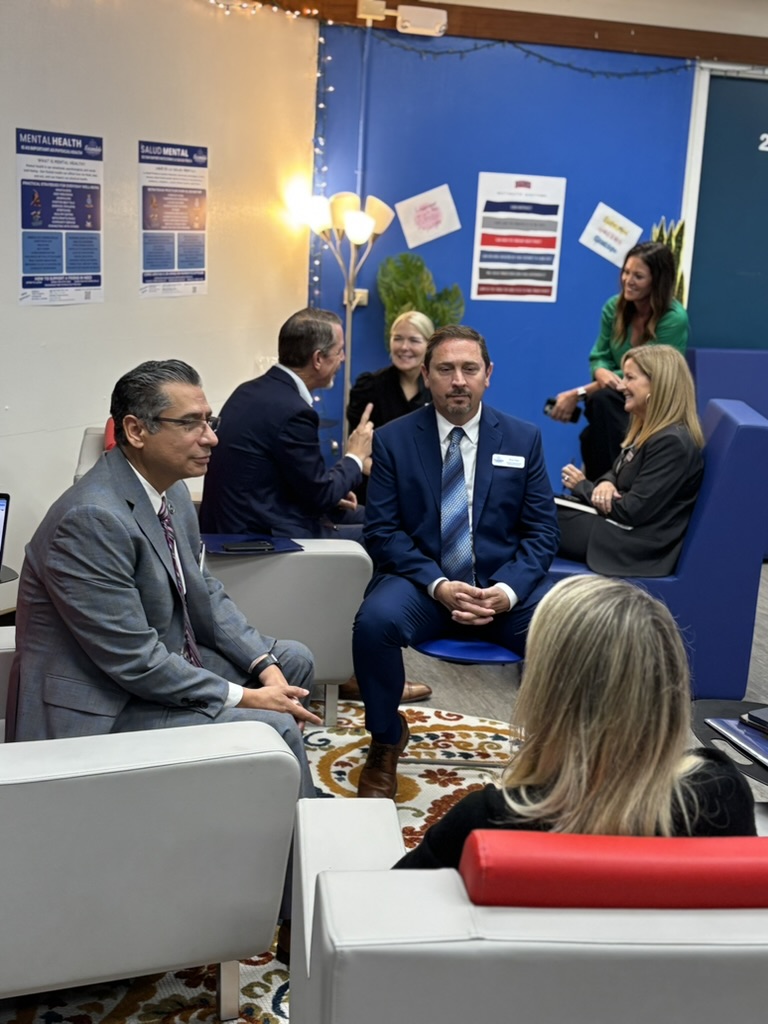
North County Superintendent Network at Hidden Valley Microschool, September 24, 2025
Hidden Valley Microschool Vision
Vision
We envision a community where students are empowered to take ownership of their academic and personal growth, cultivate meaningful relationships, and embrace active citizenship to create a positive impact on our community.
Why A Microschool?
From Surviving to Transforming - the microschool model emerged from district needs:
- • Students were disconnected
- • Teachers were exhausted
- • Systems were missing or ignored
- • Behavior expectations were unclear or inconsistent
But through it all, one thing was clear: our teachers had the biggest hearts and our students rose with resilience, courage, and a spirit that has inspired us every single day.
The Microschool Framework
The microschool at Hidden Valley is designed as an innovative, student-centered learning model that emphasizes:
- Packs of students and teachers: Small communities working together
- Inquiry-Based & Personalized Learning: Meeting each student's academic and social-emotional needs
- Competency-Based Education: Valuing growth, mastery, and student voice
- Shared Leadership: Teachers and students co-create the learning environment
- Identity Work: Tied into the larger school identity transformation
Instructional Framework
Inquiry-Based Learning (PBL)
Grade-level teachers collaborate to create units with authentic, community-based learning opportunities. The progression moves across three trimesters:
- • Trimester 1: Teacher-Led Inquiry
- • Trimester 2: Shared Responsibility
- • Trimester 3: Student-Led Inquiry
Assessment & Accountability
- Student Portfolios & Self-Assessment: Students set goals, track progress and reflect on learning grounded in the Learner Profile competencies
- Student-Led Conferences: Students articulate their goals, progress, and areas for growth, fostering accountability
- Authentic Products: Portfolios, brochures, digital media, exhibits, and prototypes shared with parents and community
Cross-Content Integration
Math, ELA, Science, and Social Studies are woven into each inquiry-based learning unit. Students see connections between disciplines rather than working in silos.
Wrap-Around Support Systems
Daily Advisory
Each morning begins with a 20-minute Daily Touchpoint, serving as the first layer of wrap-around SEL and academic support:
- SMART Goal Setting: Students set and revisit weekly academic and SEL goals with advisory teacher guidance
- Community Circles: Weekly advisory circles provide safe spaces for listening, empathy, and restorative conversations
- Student Check-Ins: Teachers monitor academic and emotional well-being through formal and informal check-ins
- Teacher Facilitation: Teachers guide what it means to grow both academically and socially
Wellness Course
Structured time to learn, practice and apply skills needed to thrive:
- Strengths & Identity: Myers-Briggs assessments applied to team projects and self-reflection
- Skill-Building: Time management, organization, note-taking, academic habits, and personal success
- Academic, SEL & Mental Health: S.M.A.R.T. goals, conflict resolution, growth mindset, and coping strategies
- Fun Fridays: Team-building, passion projects, guest speakers, or tutoring support
Impact & Results
Attendance
↑ 10%
School year improvement
Suspensions
59% ↓
Reduction in out-of-school suspension
Bullying Reports
54% ↓
Significant reduction
School Climate
Students report feeling more connected and safe at school
California Healthy Kids Survey Improvements
Feel Connected to School
Feel Safe at School
Learner-Centered School Design
Hidden Valley Microschool exemplifies six key design principles:
- •
Clear Identity
Focus of the school grounded in the district vision that is unique to the community to develop desired learner outcomes
- •
Small Learning Communities
Learners belong to small groups led by a caring adult to create a sense of community and support development
- •
Real-World Learning
Regularly sanctioned structures for learners to engage in authentic work across disciplines and with partners
- •
Performance Assessment of Whole Learner Outcomes
Evidence of how learners have grown and developed through competency-based and authentic assessments
- •
Teacher Collaboration
Educators have regular, structured time to learn together and collaborate through applying new strategies and co-designing learning experiences
- •
Distributed Leadership
Structures that support and facilitate shared ownership and agency at all levels